News/ 05 October 2026

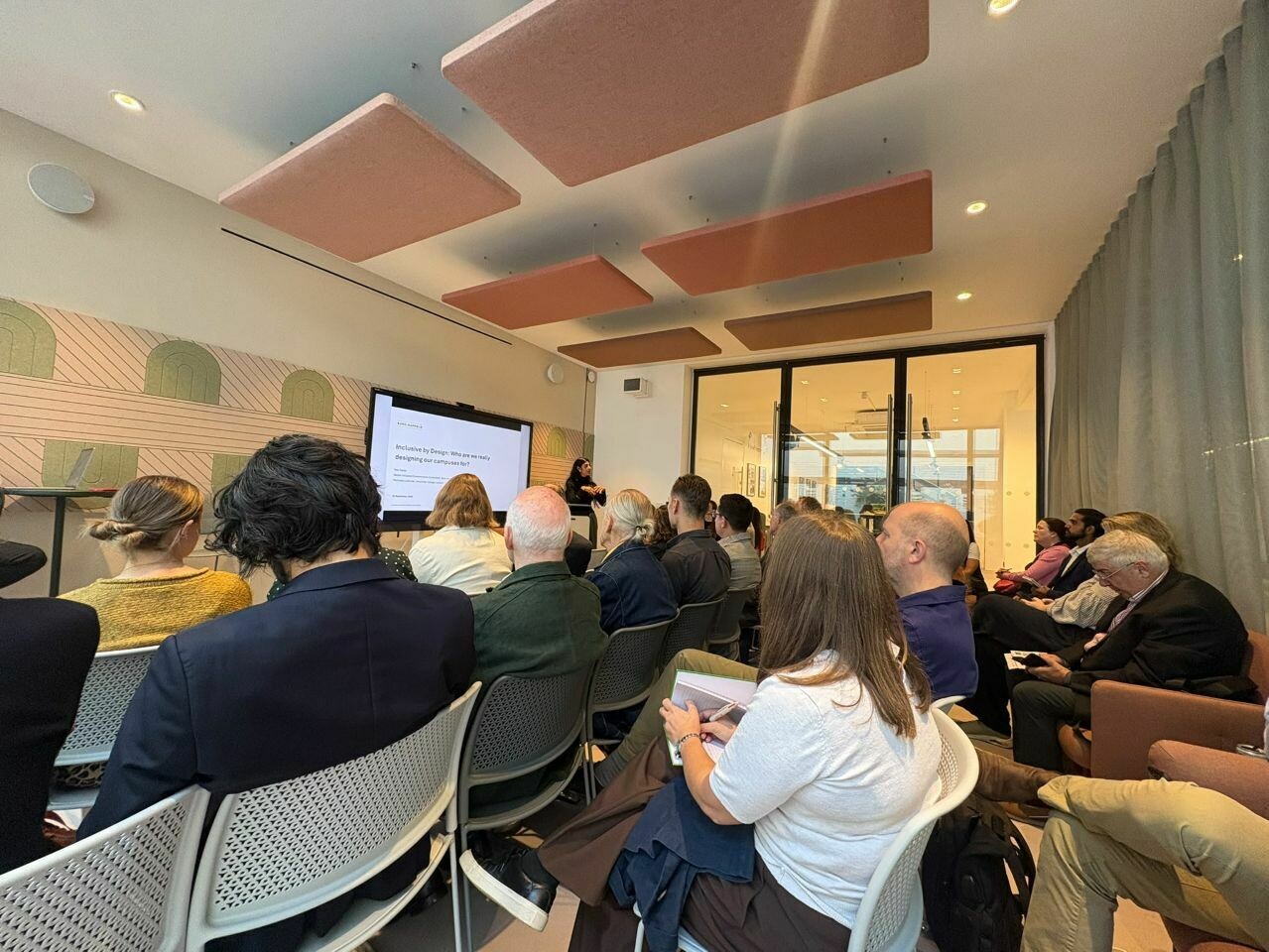
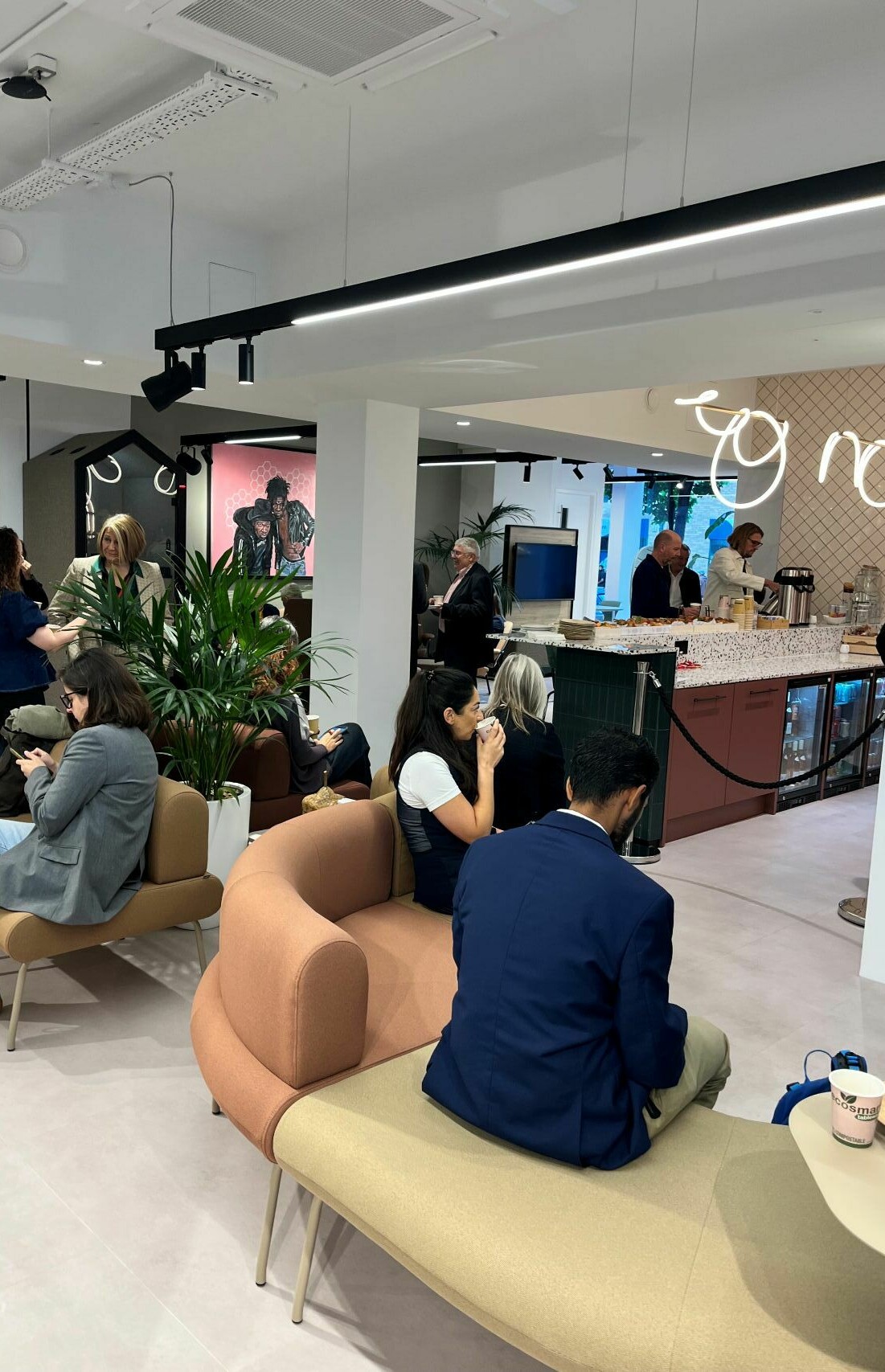
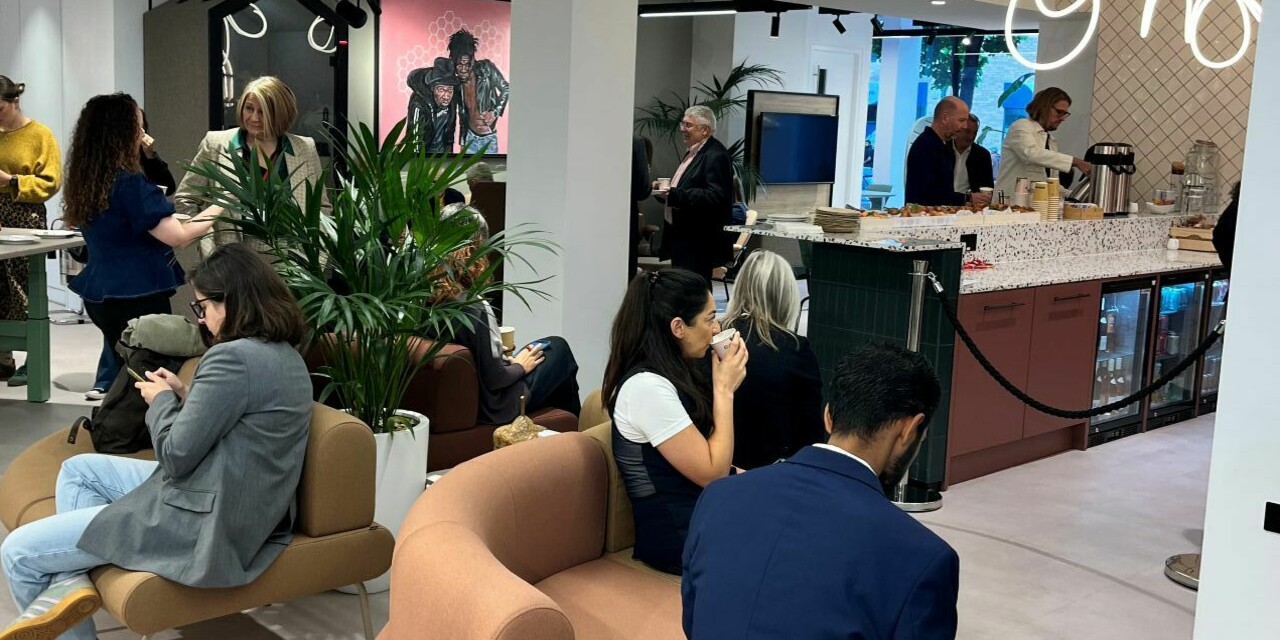
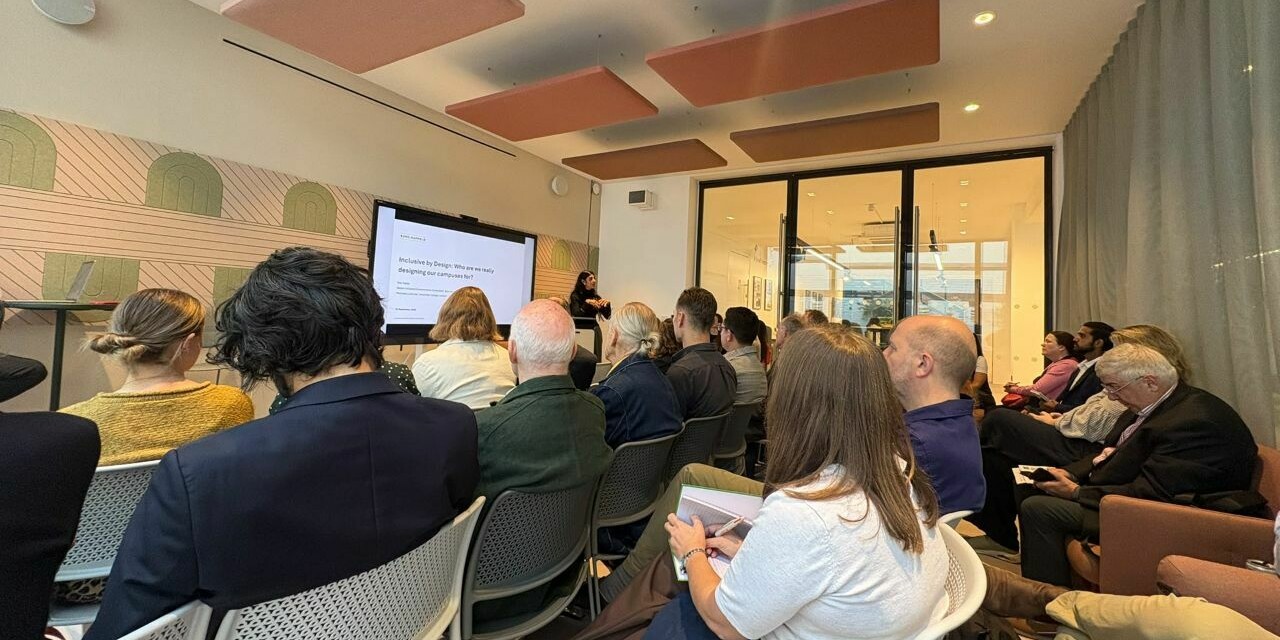
The Forum's recent event at Clerkenwell showroom during London Design Festival
Inclusive by Design: Who are we really designing our campuses for?
Discussion Event, 16 September 2026
Overview:
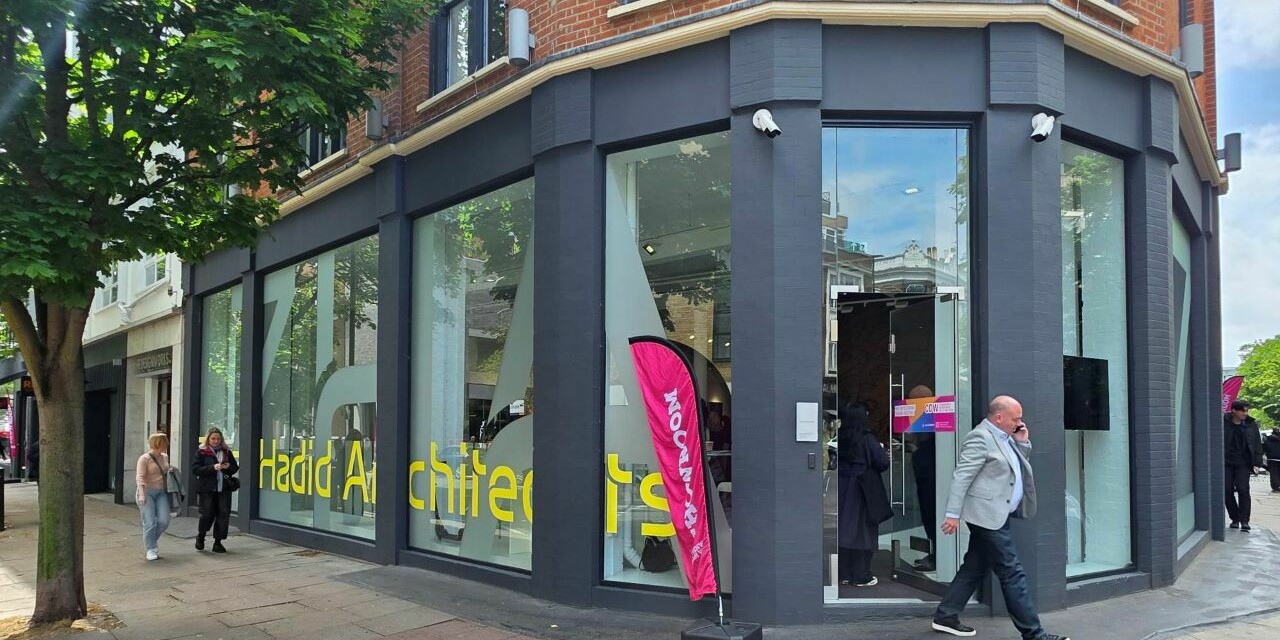
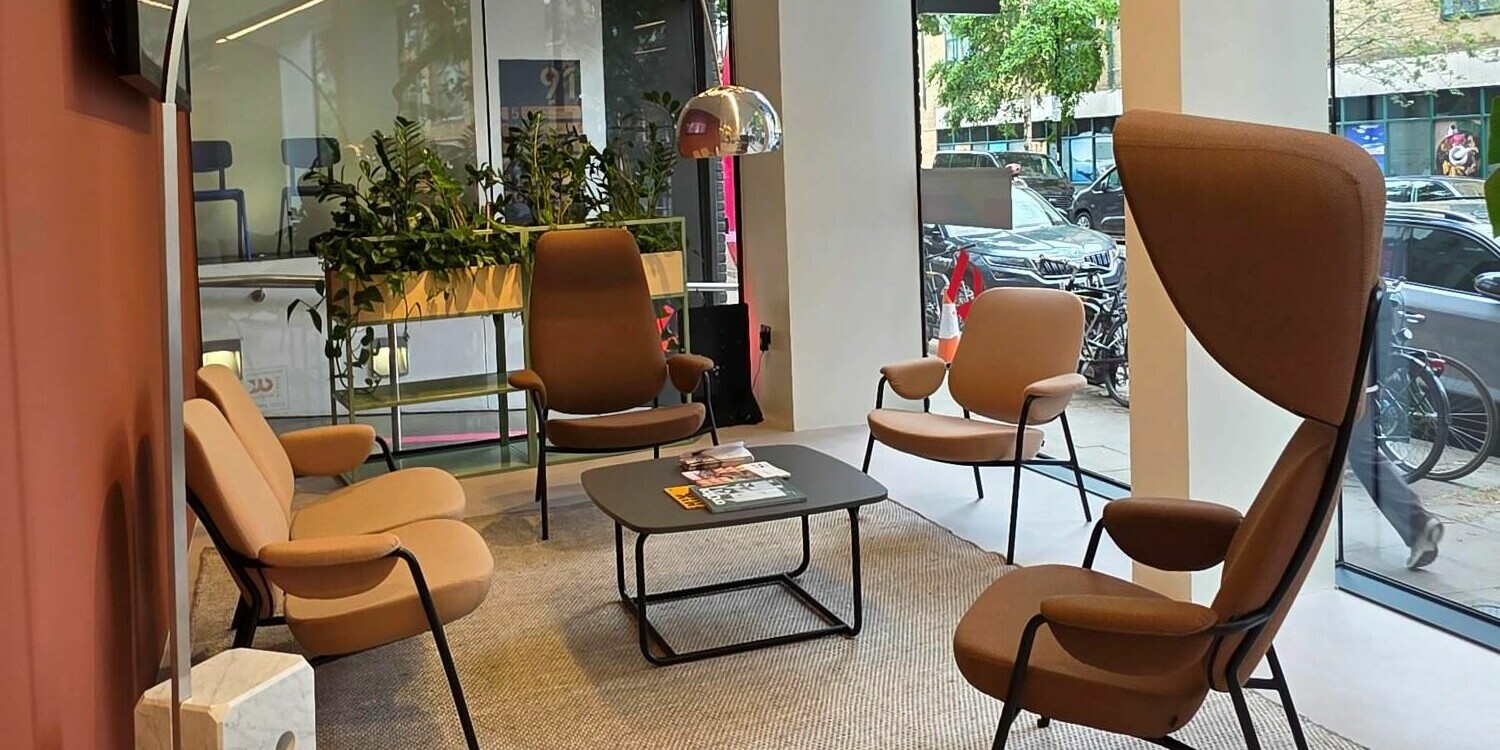
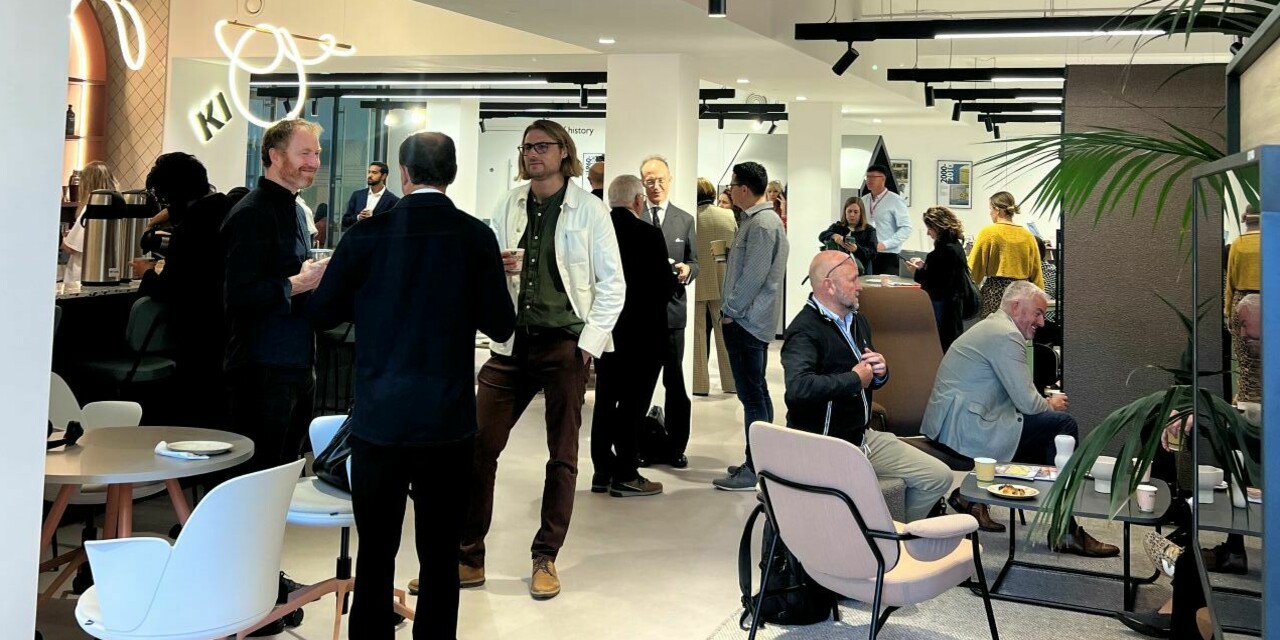
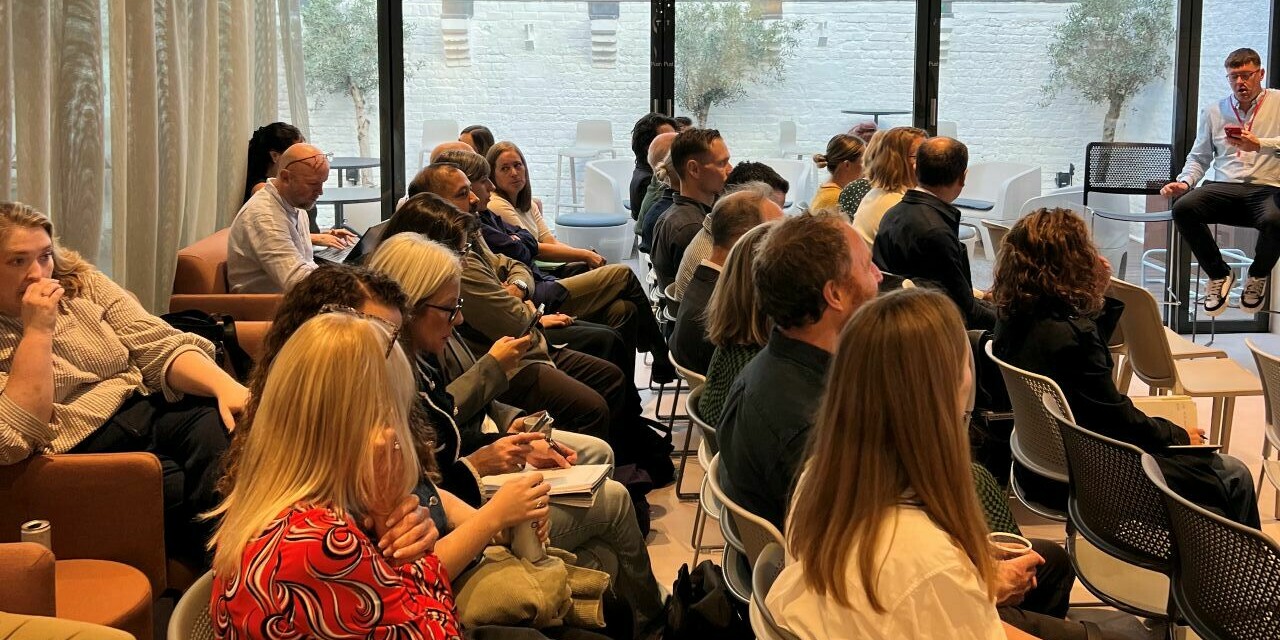
As part of KI Europe's two-day event, 'Inclusive Design for Everyone, Everywhere', hosted at its Clerkenwell showroom during London Design Festival, The University Design Forum hosted a well-attended panel discussion exploring how universities, architects, designers and manufacturers are rethinking learning environments to better reflect the needs of today's diverse higher education communities.
As conversations around accessibility, wellbeing and neurodiversity continue to evolve, institutions are challenged to create spaces that are not only functional and inspiring, but genuinely inclusive.
Bringing together four experts from across the built environment and higher education sectors, the panel offered valuable insights into the strategies, innovations and challenges influencing the future of campus design, sharing practical perspectives on creating environments where everyone can thrive, followed by a lively discussion which could have continued well into the morning if time had allowed, reflecting the importance and interest of the topic.
Speakers:
The discussion was introduced by Ian Caldwell, a Trustee of the University Design Forum and former Director of Estates at King’s College London, with four speakers providing insights from four very different perspectives:
Client Perspective
Pavan Nagra, Equality, Diversity and Inclusion Manager, Estates & Facilities, King's College London, outlined the strategy at the university over the last two years to embed diversity into the estate and into the estates organisation from capital projects to maintenance and facilities. Pavan has recently been chosen as a co-chair for the AUDE EDI committee alongside Sarah Thomas from the University of Westminster.
As with many older universities, King’s College London has a diverse estate with many constraints and challenges, but also opportunities. Good clear information had been a key request from students, with spaces that could fulfil different needs and encourage students to stay on campus. A flexible approach is key as it is impossible to predict the needs of students in the future while a holistic approach is needed to the design and furnishing of spaces. The university has an action plan that ranges from communications and projects to operations. A key issue had been to keep things simple, flexible and logical as staff were initially concerned at the implications on resources.
There had been considerable investment by the university, training of all staff and creation of guidelines that could be sensibly adapted when required, with facilities graded into bronze, silver and gold, the aim being the last where possible.
The Architects’ Mental Wellbeing Forum perspective:
Georgia Collard-Watson, Associate Principal, Grimshaw and Co-Chair of the Architects’ Mental Wellbeing Forum described the work of the Forum, reflecting on an environment where 1 in 3 of the UK population has some form of neurodiversity in the UK.
Each project brings together different ways of thinking, communication, ways of processing information, sensory experiences, and intersectionality. User-centred design is becoming more prominent and there are now a range of tools available to use to help design neuro-inclusive environments, while reinforcing the move from designing for neuro-inclusion to with neuro-inclusion. The AMWF Neurodiversity Toolkit, which includes case-studies, is available online, providing a valuable insight to peoples’ experiences and links to resources and support available for anyone who may need it.
Practice, Place and People are the actions they follow for a neuro-inclusive workplace.
The Designer’s Perspective:
Toar Sadia, Accessibility and Inclusion Specialist Senior Consultant | Inclusive Environments, Buro Happold explored aspects of inclusive design in universities, while acknowledging the huge variety of different facilities, including highly specialist research laboratories and maker spaces which were the most challenging.
One of the key problems is allocating spaces for difference needs which might be infrequent. Clever design and sensitive use can enable these to have flexible uses, for example adapting former and under-utilised First Aid Rooms into quiet environments to support different needs, developed with prototypes and review. Options for calm environments include spaces, sensory zoning, sensory mapping, sanitary and amenity spaces, specialised spaces, and furniture. Reference is made to the AUDE publication ‘Neurodiversity – Design and management guide for Higher Education environments’ which was co-authored by Buro Happold.
Key words are Clarity, Choice, Calm.
The Furniture Manufacturer’s Perspective:
Alison Mallett, Sales Manager, Education & Emerging Markets, KI Europe described the research work which KI has carried out into the development of furniture for diverse users over the last 30 years, resulting in the most recent developments of furniture which is cogitative and responsive.
Manufacturers need to understand their role in supporting the learner's journey and understand what the needs of different and diverse learners are. Research has remained key to KI from ergonomics and comfort to longevity and following industry standards. It is important to understand how students maintain engagement, for example with movement when seated on the chair. An early example of this includes Ki’s Ruckus ‘sit as you like’ chair, Cogni which allows subtle movement and its built sensory pad that eases anxiety and can help concentration and Kiaura which takes seating to the next level with advanced cogenetic technology, ‘your best position is your next position’.
Thoughts for the Future:
Arising from the discussion:
- While much progress has been made, inclusive design feels like the early stages of a journey, much like sustainability was 25 years ago. The objective therefore must be to reach the point where diversity is embedded in design and estates functions as a matter of course. Success will be when it does not need additional thought but is the norm.
- Information is key – King’s College London, for example, places great value on making appropriate information available to users, right down to individual rooms.
- Involvement and post-project reviews are key, not always easy to achieve as students and staff may not see the value in stakeholder workshops unless there is a direct benefit, and post-project reviews may require resourcing. Is this an area where the Forum could help through its research programme?
- A number of guides and toolkits were described during the presentations – how can the profile of these be raised?
- Finance can be difficult if inclusive design is seen as a new initiative – success often comes by tapping into existing projects.
- While the session focussed on many aspects of divergent communities, there are other areas such as cultural and national characteristics that also need to be considered in universities.
- Are there lessons universities can learn from well-designed schools where future students are studying.
- While the discussion focused on learning spaces, the question was asked about how to achieve a truly diverse academic and administrative work environment?
- Lastly – don’t be afraid to experiment!
Ian Caldwell, himself disabled, closed the formal part of the event on behalf of the University Design Forum with two key points from his experience - the importance of good clear and easily accessible information, as is the aim at King’s College London, and the need for good inclusive designs to be maintained into future operations. There is nothing more depressing than a ‘lift out of action’ sign, with no other alternative given.
Many thanks to the speakers, the participants and to the host and supporter KI Europe.
Written by Ian Caldwell and photos credited to KI Europe.
Resources
The speaker presentations can be found under Resources event reports and are open to members only.
Not a member? Join us
News/ 05 October 2026